
From Furniture to Farms: How One Leader Brought Lean Thinking to Livestock
Summarize this article with:
From the Factory Floor to the Farrowing Barn
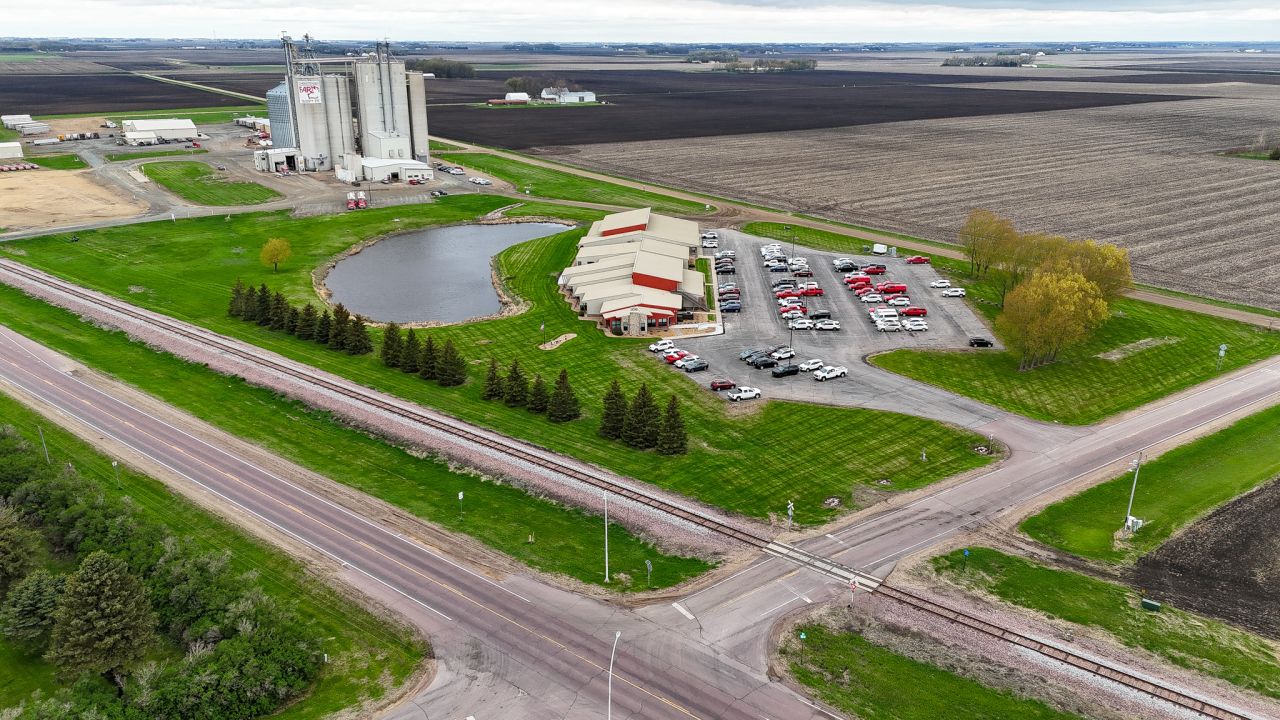
When most people think of Lean manufacturing, they picture auto plants, conveyor belts, and supply chains humming in sync. Few imagine it playing out in a barn. Even fewer would expect it to transform one of the largest pork producers in the U.S.
Yet that’s exactly what happened – because of Jeff Rousch.
Jeff, the Vice President of Operations at Christensen Farms, is not your typical executive. He started his career on the front lines, and over three decades, climbed through the ranks with a rare blend of grit, humility, and vision. When he encountered Lean principles on a tour of a furniture factory, he didn’t dismiss it as irrelevant. He saw possibility.
“This isn’t just a process,” Jeff said. “This is a different way to lead.”
And with that, the seeds of transformation were planted.
Why Jeff Chose to Change
Christensen Farms was already excelling by industry standards. Piglet survival rates, operational efficiency, animal health – all strong. But Jeff wasn’t content with “good enough.”
He saw that real leadership means looking ahead. “Even when you’re on top, you can’t coast. You have to keep building,” he said.
Where others might see risk, Jeff saw opportunity. And where others might ask, “Can this work here?” Jeff asked, “How do we make it work here?”
That mindset changed everything.
Leading by Example
Jeff didn’t start with a strategy deck or a mandate from the top. He started where he always had—on the floor, with the people.
He walked workflows with CBS consultants. Mapped movement. Watched how tools were stored. Counted steps. Asked questions. Not to audit – to learn.
“Continuous improvement isn’t just a program,” Jeff says. “It’s how we make better decisions.”
Piglets, People, and Performance
Under Jeff’s leadership, Christensen Farms saw dramatic gains:
- A significant drop in piglet mortality – a result of better daily routines and faster identification of at-risk animals.
- Increased labor efficiency, freeing up time for value-added work.
- Visual systems that made expectations clear, from new hires to seasoned managers.
But more than the numbers, Jeff fostered a shift in mindset.
“We started seeing ‘aha’ moments,” he said. “People who were skeptical became champions. They started owning their metrics, suggesting improvements.”
Jeff didn’t just install a system. He nurtured a culture.
Debunking the Myth: ‘That Won’t Work Here’
Plenty of leaders dismiss Lean as industry-specific. Jeff never did.
“Every business has inventory, labor, variation, and opportunity,” he said. “The language might change. The principles don’t.”
That kind of thinking turns resistance into results.
Overcoming Resistance with Realism
Change isn’t easy. When Jeff introduced Lean, not everyone was eager.
“We’re already stretched,” some said. “This sounds like more work.”
Jeff met that hesitation with honesty: “We’re doing this. Let’s just try it.”
That clear, steady leadership created space for learning. Small wins led to big momentum. And soon, Jeff wasn’t pushing – his teams were pulling.
Scaling Jeff’s Vision
As Lean practices took root, Jeff faced a new challenge: how to scale a culture.
Christensen Farms operates across multiple states and departments – each with different rhythms and realities. So Jeff isn’t replicating solutions. He’s replicating principles.
He’s investing in training leaders, building internal expertise, and aligning Lean work with the company’s deepest values: safety, sustainability, and care.
“Our vision is to be a place where Lean isn’t something we do,” Jeff said. “It’s who we are.”
Jeff’s Advice to Other Leaders
If you’re in a different industry and wondering whether Lean has a place in your business, Jeff offers this advice:
- Stop making excuses. The “it won’t work here” mindset is a barrier, not a fact.
- Just start. Pick one team. Try something. Learn.
- Focus on people. Culture change comes from conversation, not compliance.
- Own it. If you’re not committed, your team won’t be either.
- Don’t let the lingo scare you. You don’t need belts to improve. Just curiosity and commitment.
The Future Jeff Is Building
Today, Jeff continues to lead Christensen Farms into its next chapter. The goal? Long-term, sustainable improvement.
Not a flash-in-the-pan initiative. A way of life.
“I want this to be a place other companies visit to see what Lean in agriculture can look like,” he says. “We’re not there yet. But we’re building the system to get us there.”
Jeff isn’t just improving processes. He’s creating a legacy.
CBS and Jeff: A Partnership That Works
At CBS, we believe real change starts with real leadership. Jeff Rousch embodies that. He didn’t ask for a playbook. He asked the right questions, took the first steps, and brought his people with him.
If you’re wondering whether transformation is possible in your world, Jeff’s story answers with a clear yes.
Let’s take that first step together.
Latest Insights
-

The First 100 Days in Private Equity: Building the Operating Foundation for EBITDA Growth
Value-creation plans fail when the operating system can’t carry them. Tim Christlieb lays out the first-100-days agenda for portfolio companies: operating visibility, planning and…
-
Why Execution Readiness Drives EBITDA Expansion in Private Equity
Learn why execution readiness determines EBITDA expansion in private equity portfolio companies, and the sequence that converts growth into value.
Sign up to receive our latest insights!
"*" indicates required fields
