Building Lean Culture: Why Relationships Drive Team Trust & Engagement
Summarize this article with:
Culture Is the Work
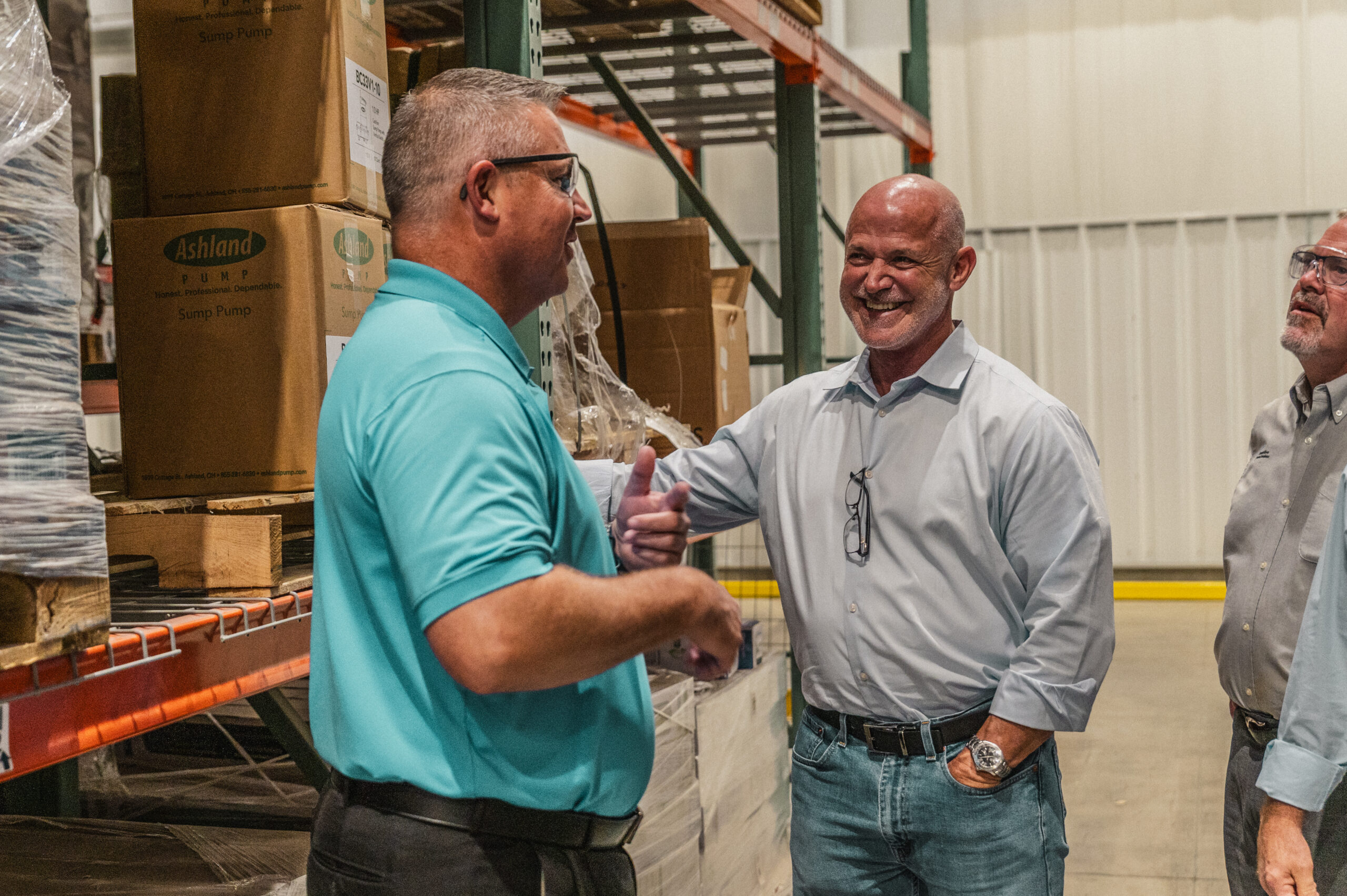
I’ve walked into shops where few people say hello. Few folks make eye contact. The walls are covered in laminated posters about safety, performance, and accountability—and not one person believes any of it because it flat out contradicts their reality.
That’s what happens when culture is treated like a bolt-on. You can’t mandate team chemistry. You have to build it – every day! Once it’s established, it’s not hard to keep it going; it’s the way business gets done!
I’ve said it before, and I’ll say it again: relationships are the work. If you want to build a true lean culture, start with human connection and team trust.
Why Most Continuous Improvement Events Miss the Mark
Every time I run a continuous improvement activity or problem-solving class, I review the business reasons why we are here, and then I ask people to introduce themselves. Name. Role. How long they’ve been there. Now I switch the script and ask them what they want to get out of the session. What do they want to see changed as a result of this event. Every time, this aligns directly with what the business needs most to improve. And then I ask them for one fun fact—something human. While we go around the room to each person, I pull on these fun facts and ask questions to understand why they like to build motors, play the chello, knit a scarf, fish with their kids, or when and where do they actually go noodling – yes, noodling!
One woman in her 50s stated she was a metalhead. Another guy, covered in tattoos and earrings, was growing exotic flowers. A young woman loved restoring old cars. You wouldn’t believe the connections that came out of those simple facts, and maybe some you didn’t expect.
These people had worked together for years—but had never really talked. Never shared anything human.
By lunch, they were laughing, talking, swapping stories. They started trusting each other. And that trust? It made the training work.
That’s what intentional communication unlocks—not just compliance, but connection and employee engagement. I take the time for the entire room to share something personal and special to them. Why? I’m not doing icebreakers such as this to kill time. I’m building trust. Because I know that when people connect, they care. And when they care, they lean in. That’s when change starts.
It’s not a gimmick. It’s human behavior.
People want to be heard. They want to be respected. And they want to believe the person standing next to them has their back. Without that foundation, you can’t expect people to be invested in the next step of growing, developing, contributing in improving.
Culture Erodes in Silence
In toxic environments, nobody talks. You can feel the tension. And the second you bring up change, the walls go up.
Not because people are lazy. But because they’ve seen change done to them—not with them.
I’ll never forget that I asked a lead on the floor how he knew he was having a good day, and he responded, “By the way the supervisor talks to me the next day.” This doesn’t show value in your team. It shows it’s all about the numbers and another example of managing versus leading. That you’re not a part of their success.
If you’re not willing to engage—if you’ve given up on the team—nothing’s going to get better.
Culture falls apart when nobody’s willing to have hard conversations. When nobody takes ownership. When leadership hides. When experienced workers stop caring because they don’t feel heard.
You want to change that? Start by engaging and listening. That’s the first step to building team trust and a stronger lean culture.
Teach People How to Interact, Not Just Execute
A lean culture isn’t just about tools and tasks. It’s about how people interact. That’s where leadership development comes in.
That includes how you:
- Give feedback
- Run meetings
- Breaking and eating lunch – together from time to time!
- Celebrate wins
- Navigate disagreement
It’s all part of the culture you’re creating—whether you realize it or not.
If you want a stronger team, teach people how to talk to each other. Coach leaders to say things like:
- “What’s working well here?”
- “What does help look like?”
- “What used to work that we’ve lost?”
- What do we need to work on next?
These questions open doors. They show respect. They turn passive environments into engaged ones. Then act on it!
Final Thought
Culture isn’t about posters on the wall. It’s about how people treat each other when nobody’s watching.
If you want long-term operational improvement, build a lean culture where relationships come first. Where team trust is built daily. Where people eat together, talk to each other, and solve problems as a team.
That’s how you achieve sustainable improvement that lasts.
Want help building a team culture that lasts? Let’s talk.
Latest Insights
-

Step Five: 5S Sustain Isn’t Just About Audits. It’s About Ownership.
Learn how 5S Sustain goes beyond audits. Workplace discipline, team accountability, & lean culture make continuous improvement last.
-
5S Standardize: Step Four Isn’t About Control; It’s About Clarity
5S Standardize is about clarity, not control. Discover how lean routines, visual management systems, and workplace discipline drive operational consistency and sustainable improvement.
Sign up to receive our latest insights!
"*" indicates required fields
