Execution Architecture: The Operational Excellence Framework That Converts Discipline into Enterprise Value
Why Lean programs stall, and the three-layer operational excellence framework that turns plant discipline into enterprise value.


Why Lean programs stall, and the three-layer operational excellence framework that turns plant discipline into enterprise value.

Revenue up, margin flat? Operational excellence as a growth strategy enabler builds the cadence, metrics, constraint visibility, and work-release rules that hold.
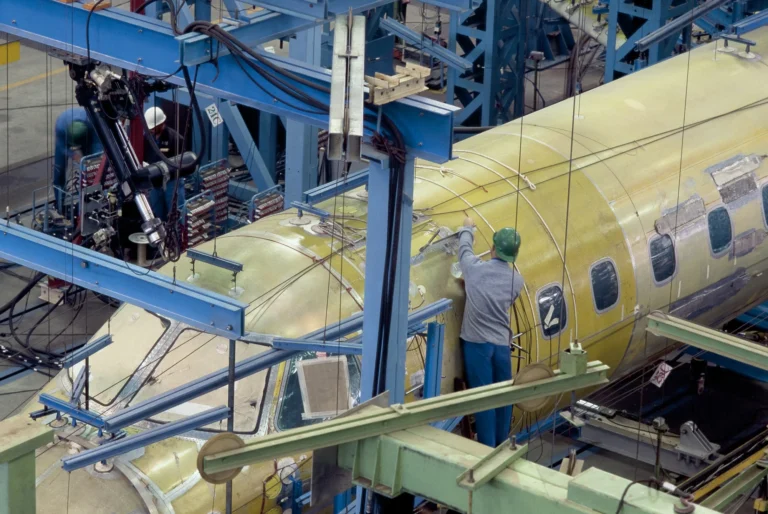
You can be fully compliant and still underperform operationally. This is not unusual, even in mature aerospace and defense organizations. The compliance infrastructure in A&D organizations is impressive. Quality management systems are rigorously maintained. Traceability requirements are met. Audit readiness is strong. The documentation supporting every part, every process, and every inspection is thorough and…
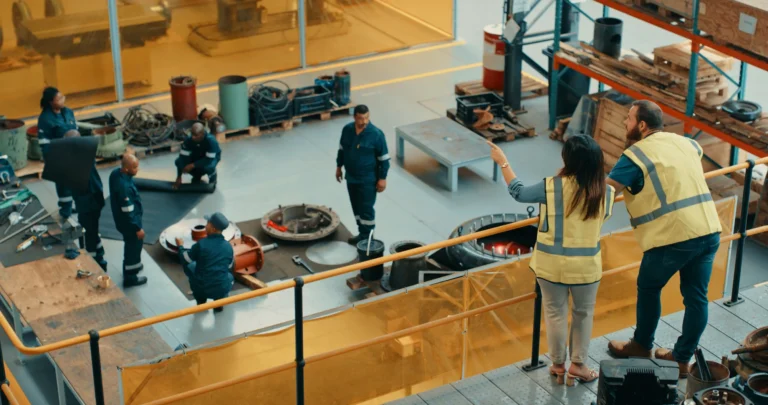
A Monday-morning lathe argument almost killed this aerospace plant layout redesign. One year later: 66% more parts shipped, 40% less cycle time.

See how operational due diligence signals translate into value creation plans and exit premiums across the PE lifecycle

When output slips, most companies hire, because headcount is visible and processes are not. Brad Crnich breaks down what the headcount band-aid actually costs: diffused ownership, leaders turned administrators, eroded trust, and high performers heading for the door. He closes with four questions every leadership team should answer before adding a single role.

Most throughput problems are really flow problems; and flow is a function of layout. This piece lays out the hands-on method CBS uses to redesign facility layout: start with paper and the people who run the floor, generate many options and score them against clear criteria, then finalize in CAD. It’s a practical path to better throughput, safety, and lead time without a six-month software initiative.

Operational systems perform to the standard leadership allows. Tim Christlieb examines the tolerated behaviors that make congestion structural, the floor signals that reveal a governance vacuum, and the questions high-performing operational leaders ask instead of reviewing program activity. Third in the Execution Physics series.

Excessive work-in-process taxes nearly every line on the P&L without appearing on any of them. Tim Christlieb walks through the WIP chain reaction, the ownership gap that lets it accumulate, and the work-release discipline that reverses it, often within a quarter. Second in the Execution Physics series.

Operational excellence programs build skills and structure, but they cannot govern a production system. Tim Christlieb introduces execution physics: the three structural forces of flow, variability, and constraints that determine lead times, working capital, and EBITDA. First in a series for industrial leaders.
© 2025 All Rights Reserved.